
Meeting Clay
Meeting Clay: Discovering a New Language in the Studio
In my last Studio blog, I shared how our research into identity, representation, and ways of seeing was growing and how I was preparing to introduce a new material into the Studio: clay!
Over the past week, I have welcomed small groups of Loggerheads and Sea Stars into the Studio to explore this new language. For some children, clay was a familiar material they had encountered last year. For others, this was their very first experience.
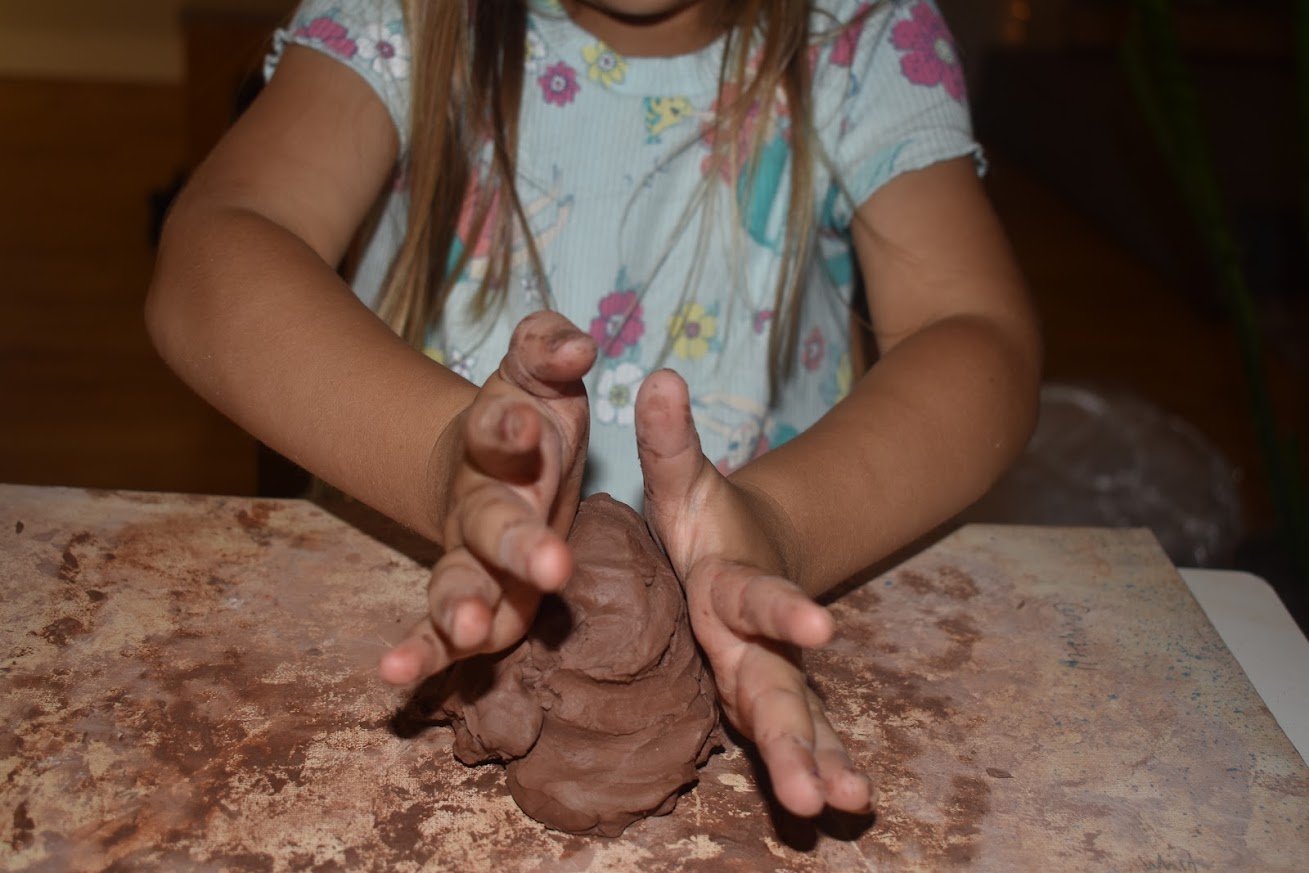
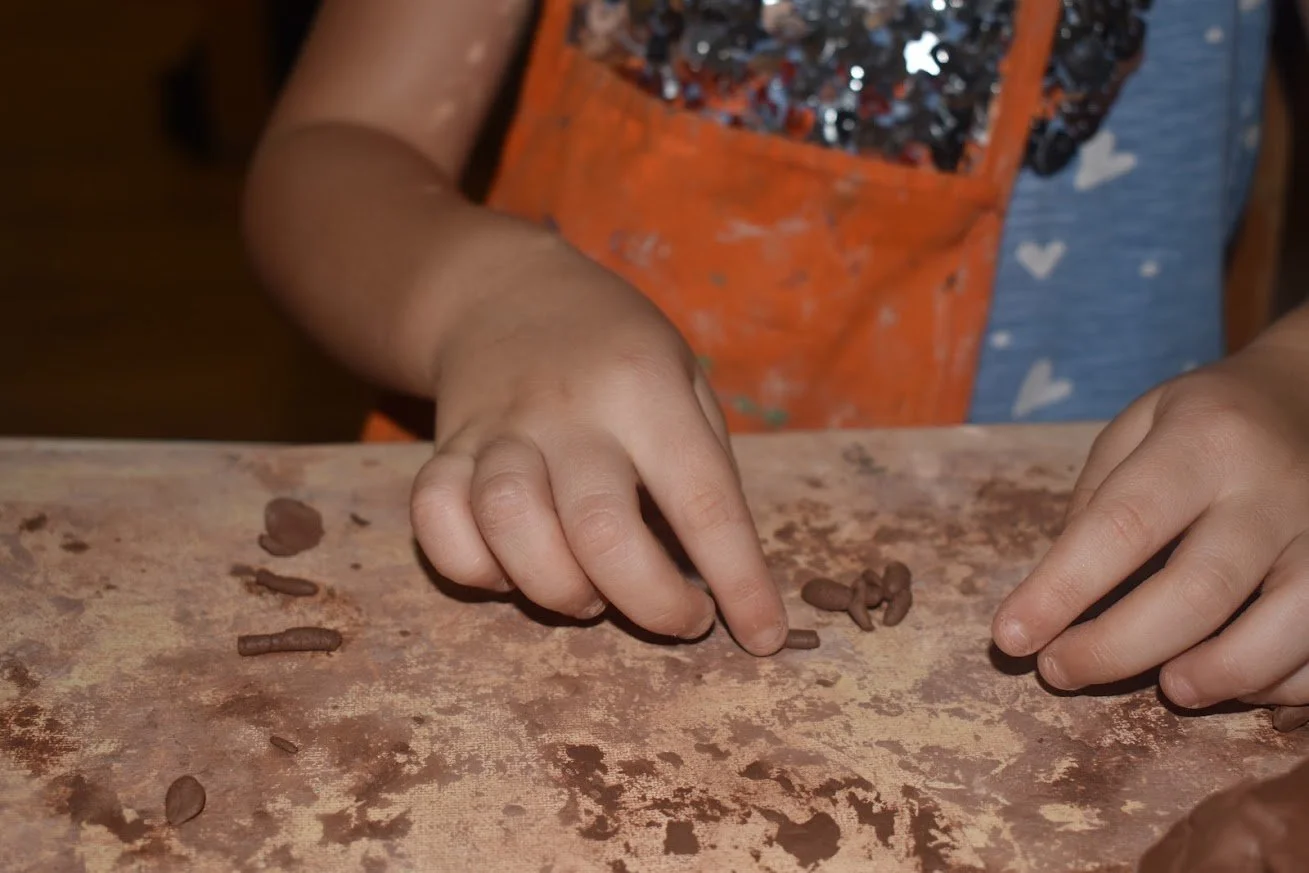
Each child was offered a large ball of clay on a clay board. No tools, no instructions to create something specific, and no expected final product. Just the children, their hands, and the material. My intention was to give the children time to develop a relationship with clay and discover its possibilities.
Discovering What Clay Can Do
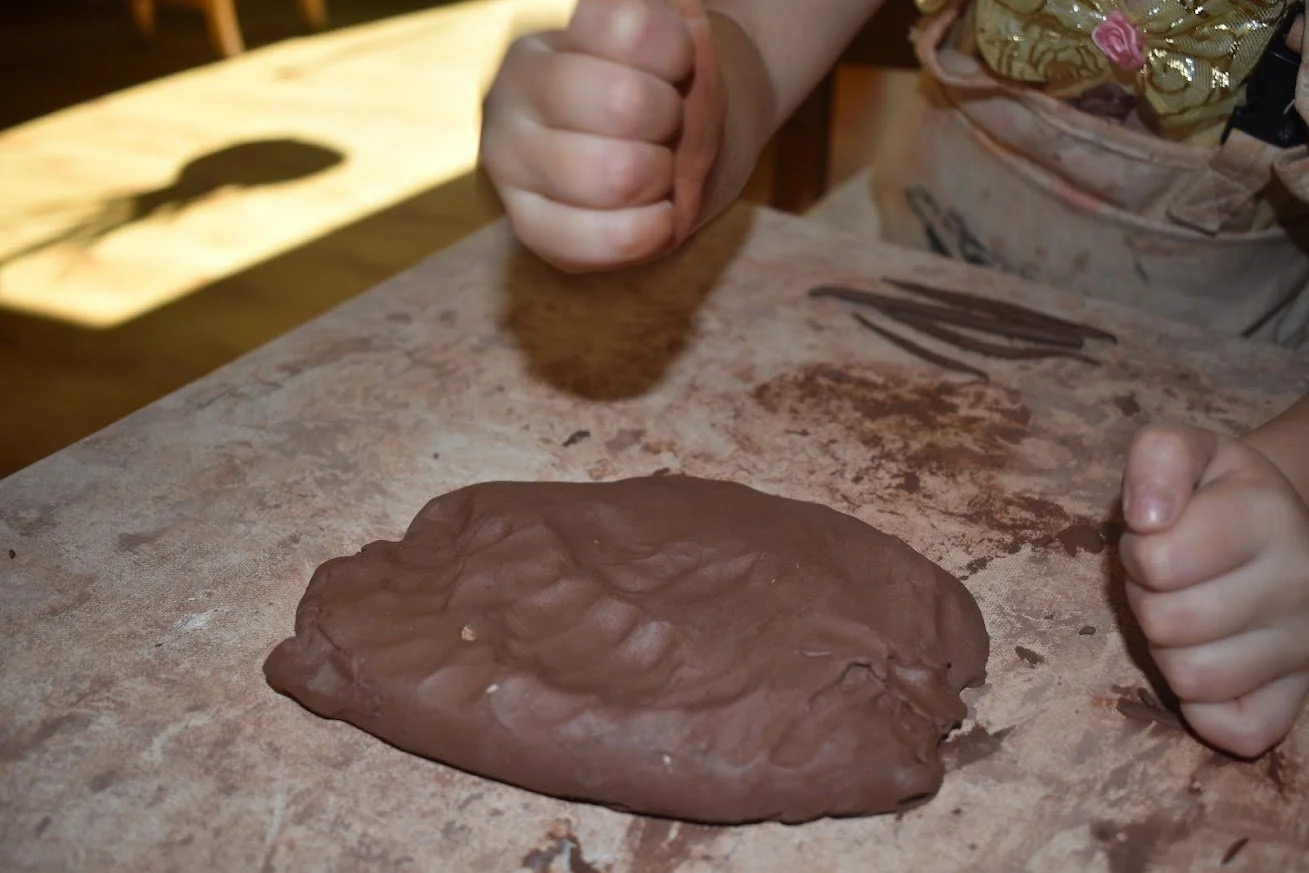
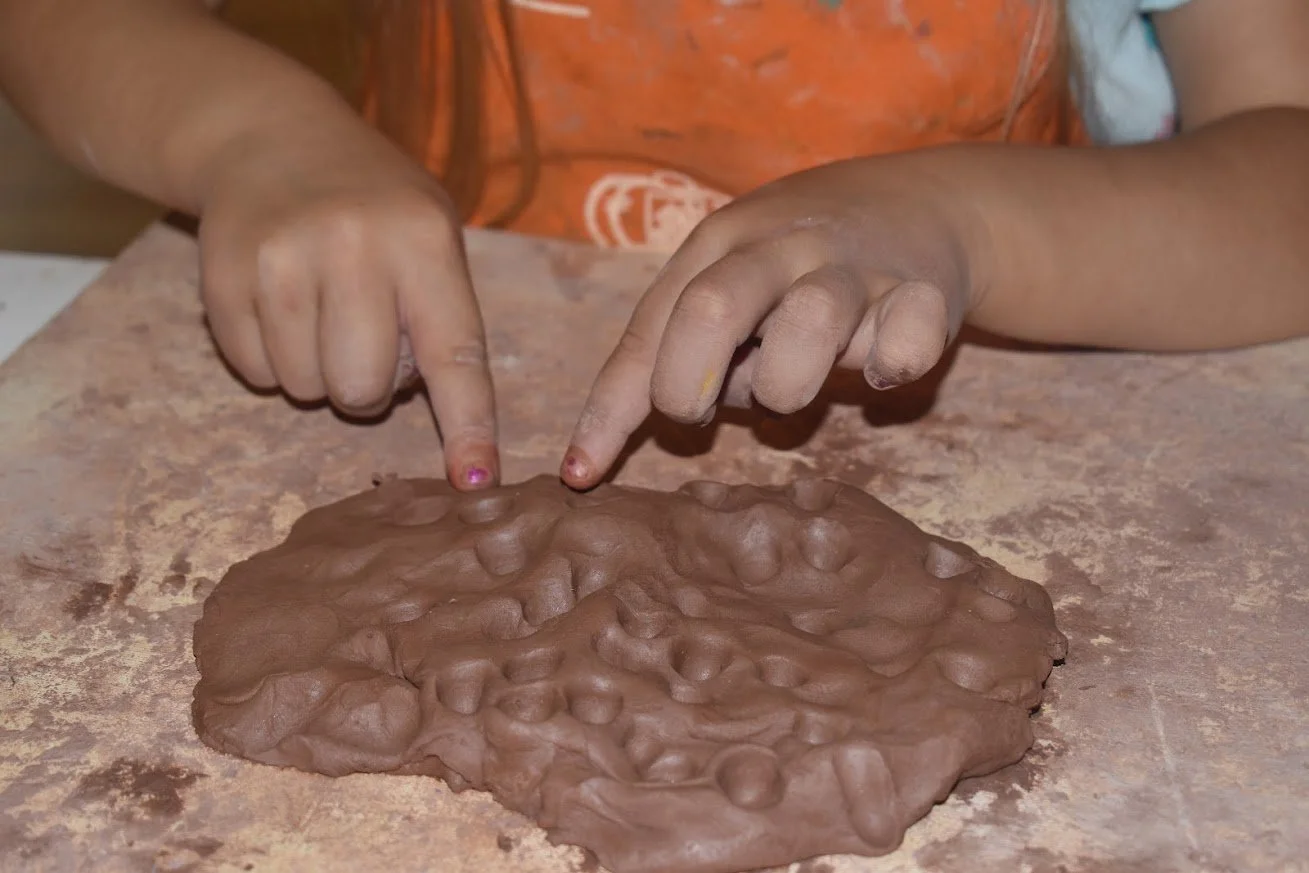
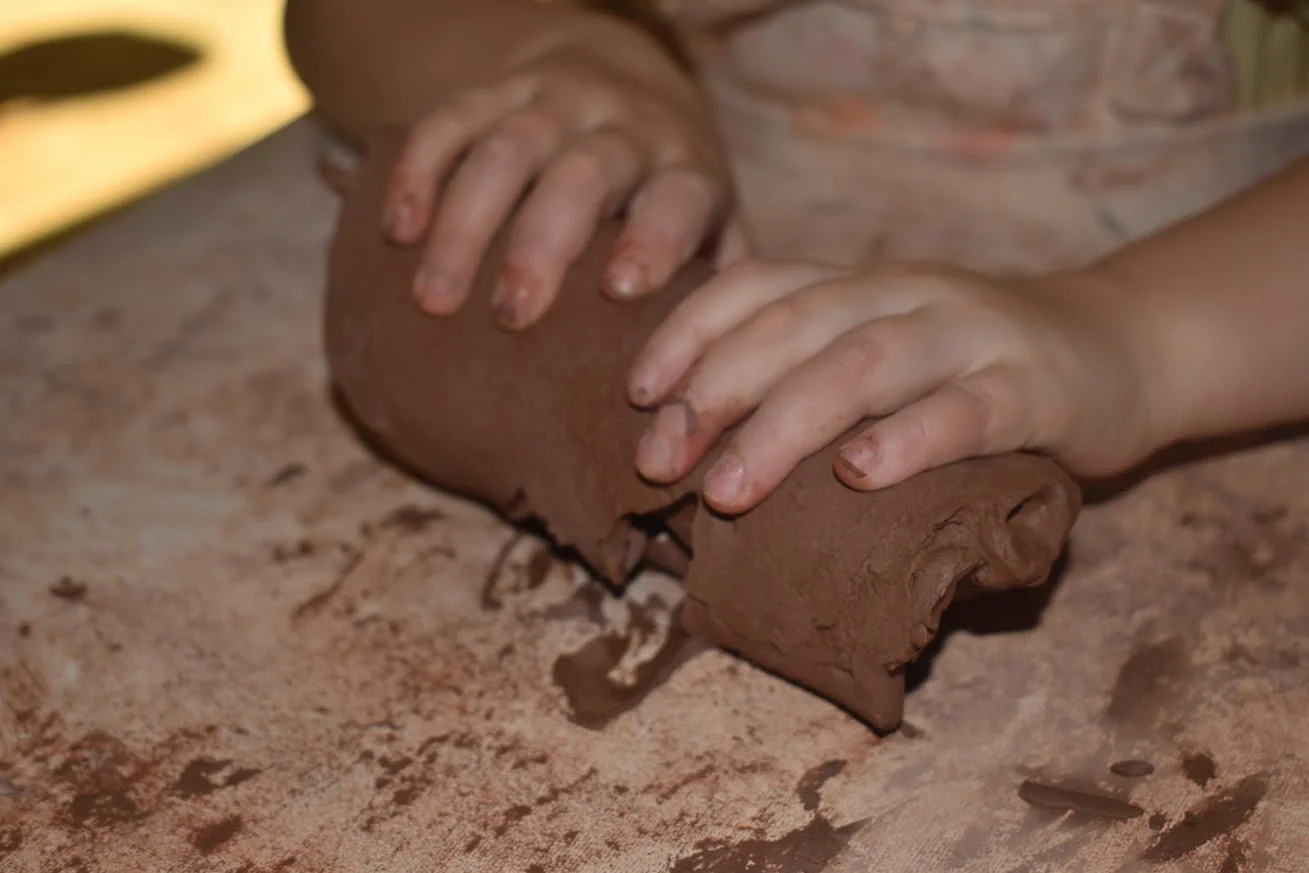
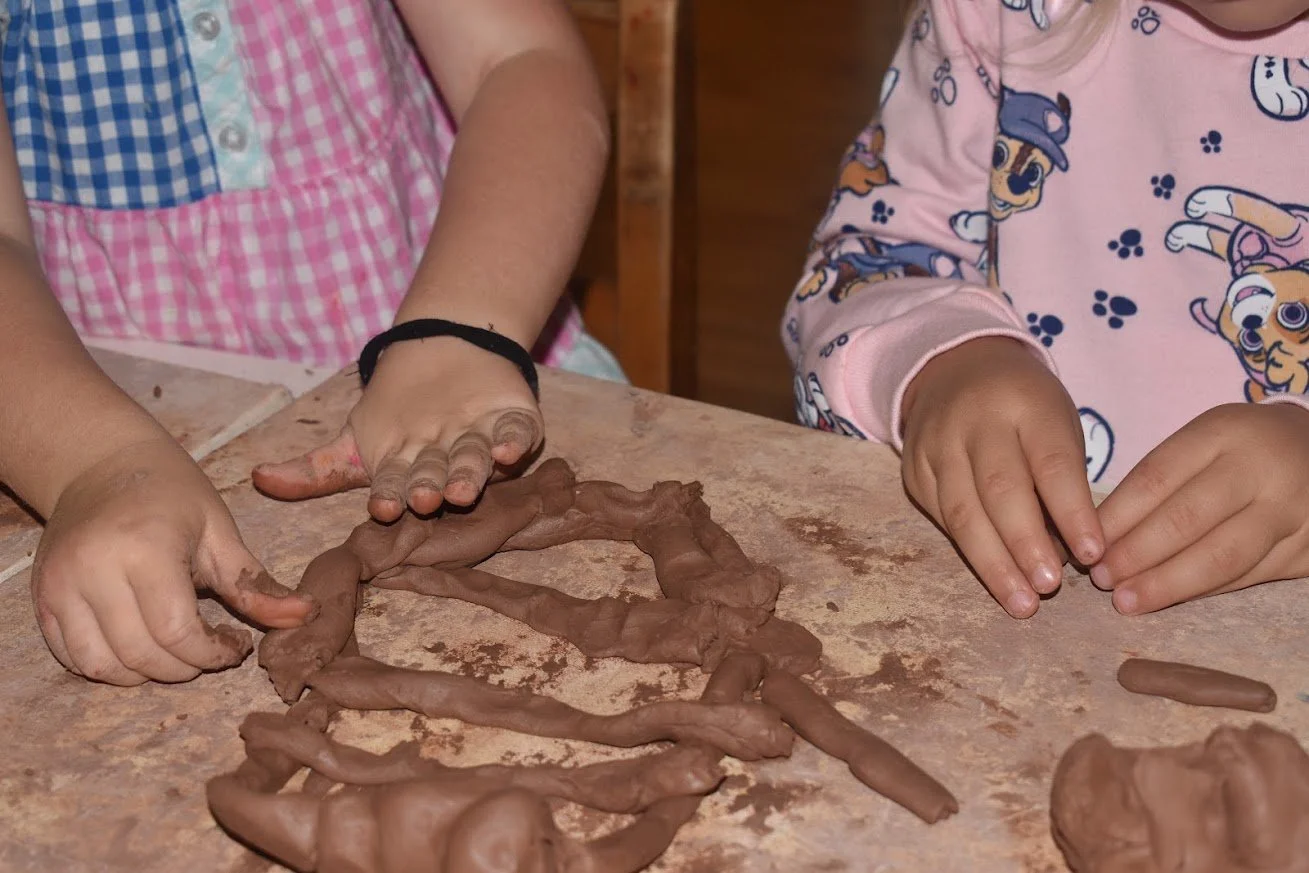
The children immediately began investigating through their hands. They poked, pressed, pinched, rolled, patted, dropped, flattened, and transformed the clay, discovering how it responded to their movements.
What may look like simple sensory play is actually a complex process of learning. Through these experiences, children explore cause and effect, strengthen fine motor coordination, develop spatial awareness, and engage in problem solving.
In the Reggio Emilia approach, materials are viewed as languages through which children can investigate, communicate, and express their thinking.
Learning With and From One Another
I intentionally invited the children into the Studio in pairs to encourage collaboration, conversation, and shared discoveries.
Some children worked together to create something collaboratively, while others explored their own ideas alongside a friend. A few were initially hesitant to touch the clay because of the residue it left on their hands, but watching their partner explore often gave them the confidence to try.
These moments reminded me how much children learn through relationships, observation, imitation, and shared experiences.
When Clay Becomes Something More
As the children continued exploring, their clay began taking on familiar forms and meanings.
Some connected their creations to current classroom investigations involving acorns, gardening, carrots, seeds, and worms. Others created things for their mothers or represented familiar experiences from home. Many creations became food, including cheeseburgers, tacos, and cookies!
I found myself wondering whether the children began with these ideas or whether the changing shapes of the clay inspired them.
These discoveries connect beautifully to our ongoing research into identity. The children are naturally bringing their interests, relationships, memories, and experiences into the Studio through their representations.
Many children remained engaged for 20 to 30 minutes, continually experimenting, changing their creations, and discovering new possibilities. The value of these experiences was not in a finished product, but in the thinking and learning happening throughout the process.
Bringing Clay Into Our Classrooms
Now that the children have had an opportunity to explore clay and learn the routines for working with and caring for the material, I have prepared clay for the mini studios in their classrooms!
This will allow the children to revisit their discoveries, experiment with new ideas, and incorporate clay into their ongoing classroom investigations.
In Reggio Emilia inspired practice, learning is not confined to one space or experience. The Studio and classrooms are connected environments where children's ideas can continue to grow.
I am excited to see how this new language develops as the children continue working with clay both in their classrooms and during future Studio visits.
What can clay do? What can our hands do with clay? And what might this new language allow us to communicate?
I cannot wait to see where the children's thinking takes us next!