
The Atelier Studio
A place to wonder, investigate, create, and make thinking visible.
What Is the Atelier?
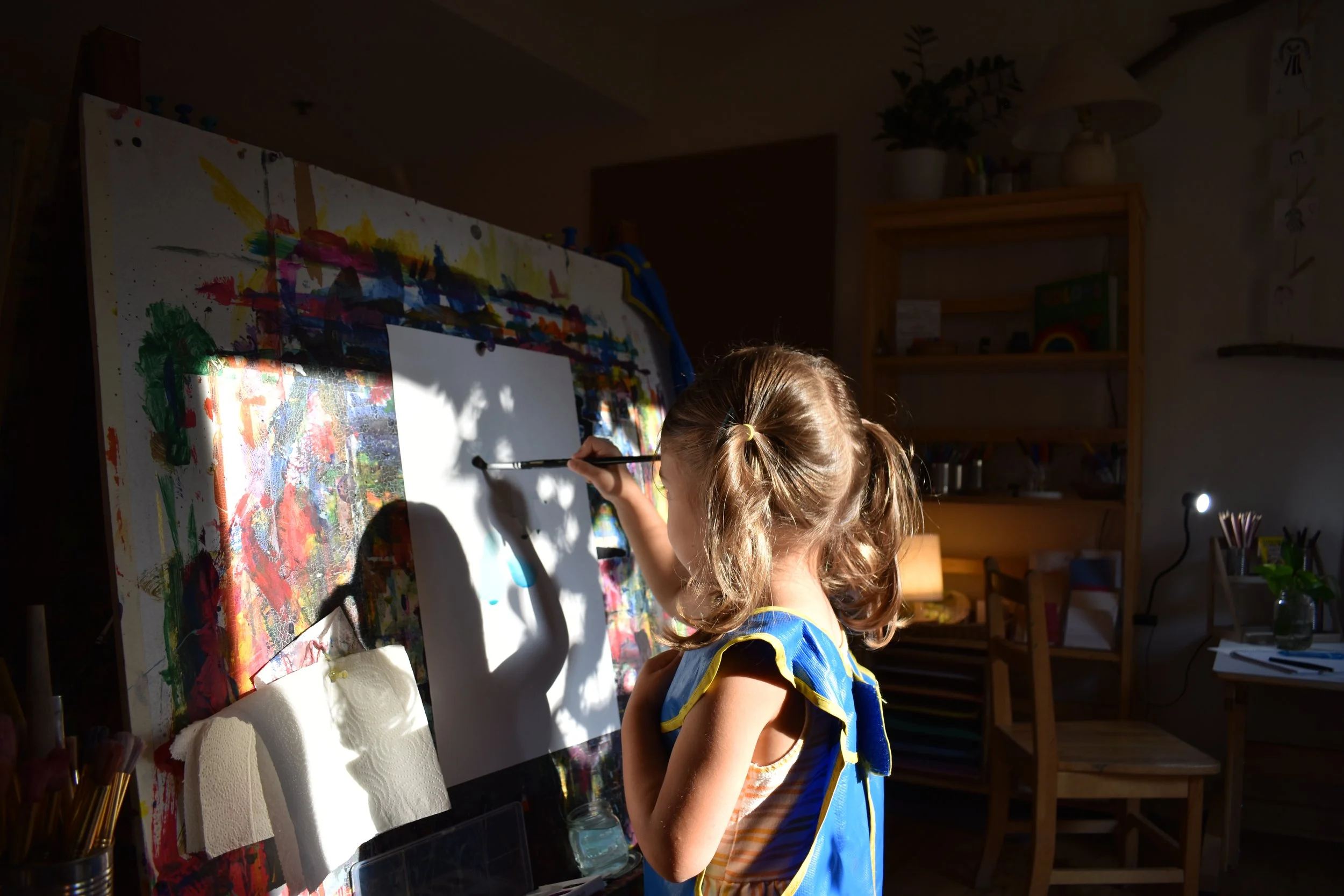
At First Presbyterian Day School, the Atelier is a dedicated Studio space inspired by the Reggio Emilia approach. It is a place where children can slow down, explore materials deeply, and discover the many ways they can express an idea.
The Studio is not an art class centered around a finished product. Instead, children are invited into open ended experiences where the process of exploring is the learning.
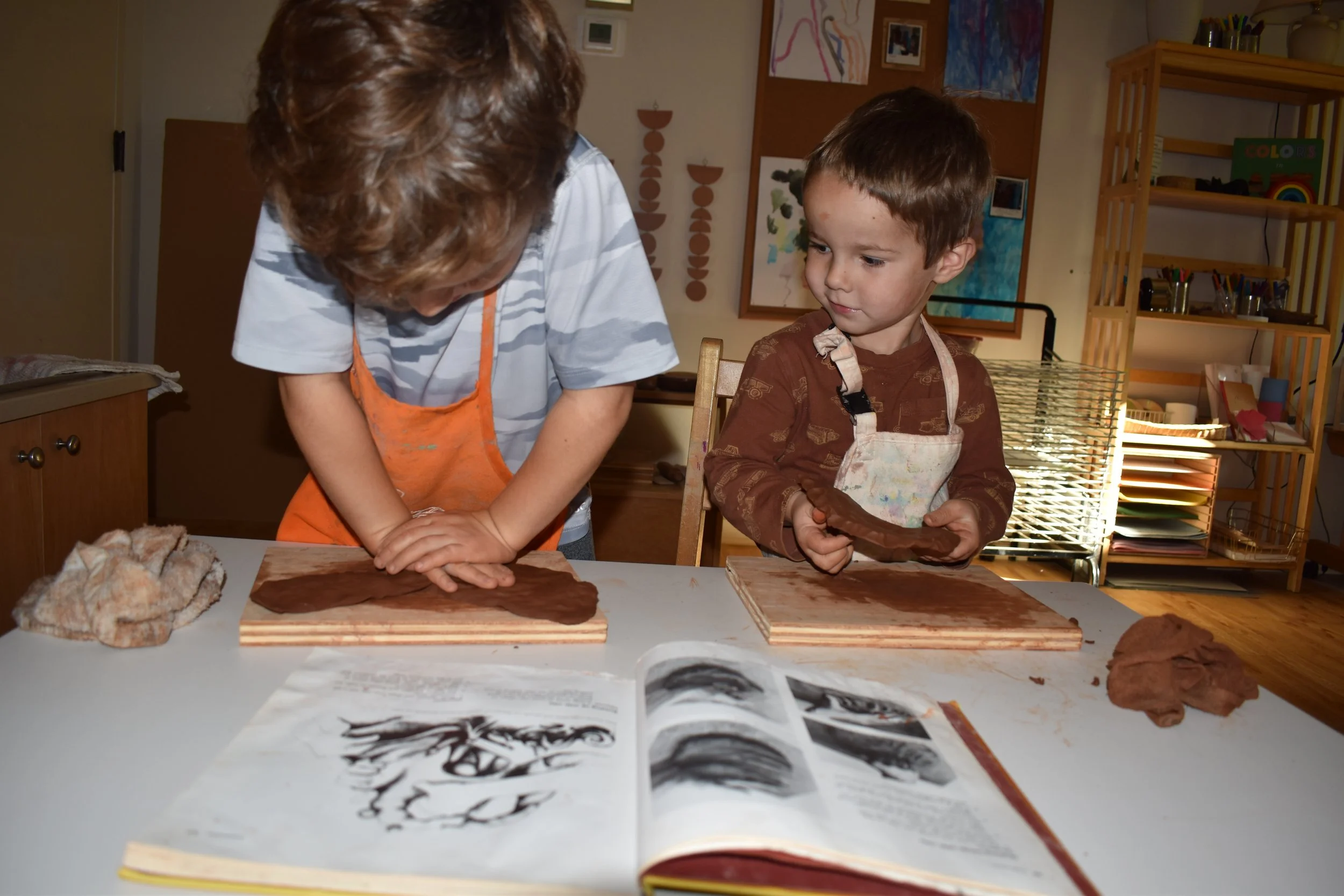
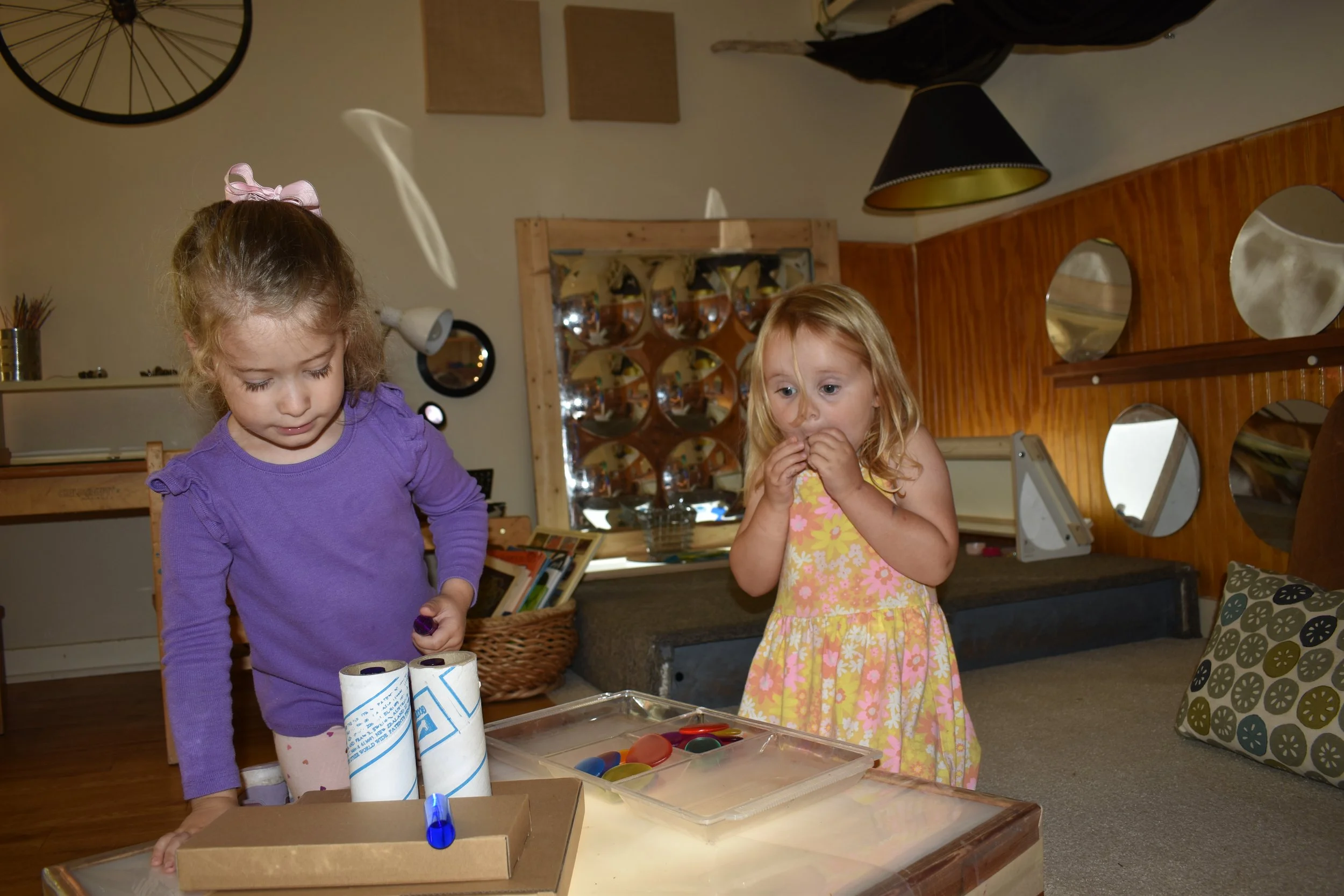
The Atelierista thoughtfully prepares the environment with materials, tools, and provocations that invite children to wonder and experiment. Children might work with clay, paint, drawing materials, wire, natural materials, light and shadow, photography, or other forms of creative media.
There is room for experimentation, mistakes, unexpected discoveries, and ideas that change along the way.
In the Studio, there is not always something to make. There is always something to discover.
The Hundred Languages
The Reggio Emilia philosophy recognizes that children have a hundred languages, or many different ways of thinking, communicating, and expressing what they know.
The Studio provides children with opportunities to explore these languages through hands on experiences with materials.
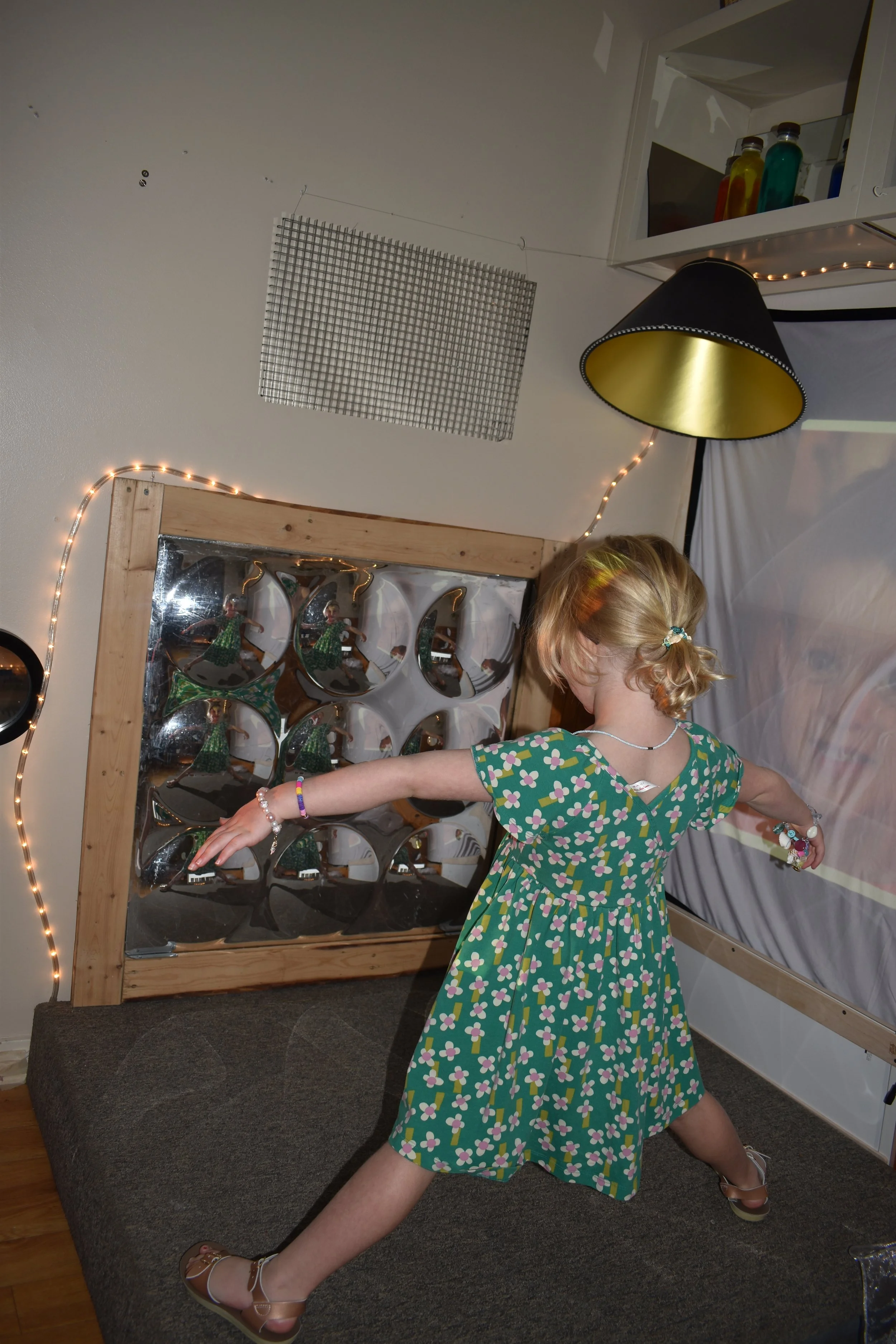
A child may communicate through a drawing, investigate form through clay, explore light and shadow, construct with loose parts, tell a story through photography, or use movement to explore space and expression.
Each material offers a different possibility.
Through these experiences, children develop their ability to observe, experiment, problem solve, communicate, make connections, and represent their ideas. They are also developing important physical and social skills as they manipulate materials, make choices, collaborate, and persist through challenges.
The Studio gives children opportunities to discover that there are many ways to have an idea and many ways to express it.
What Happens in the Studio?
Studio experiences begin with observation.
The Atelierista pays close attention to how children interact with materials, what captures their attention, what they return to, and what possibilities begin to emerge during their exploration. These observations help shape future Studio experiences.
Children may work individually or in small groups, allowing them time and space to become deeply engaged with the materials and with one another.
A Studio experience might begin with a mirror and drawing materials, then develop into an exploration of self representation. A fascination with clay might lead to an investigation of texture, form, or transformation. Light and shadow might inspire questions about reflection, transparency, or movement.
The direction is not always known at the beginning.
The children help shape what the Studio becomes.
The Atelierista documents these experiences through photographs, observations, children's words, and their work. This documentation helps reveal the ideas developing within the Studio and allows children to revisit, reflect upon, and extend their thinking.
Why the Studio Matters
The Atelier gives children something that is increasingly valuable: time to explore without needing to rush toward an answer.
Through Studio experiences, children learn to look closely, make choices, test ideas, take risks, solve problems, and try again. They learn that materials can behave in unexpected ways, that ideas can change, and that there can be many possible solutions.
The Studio supports children as capable, creative thinkers while giving them meaningful opportunities to express themselves through the hundred languages.
What may look like painting, sculpting, drawing, building, or experimenting is often much more.
It is children thinking with their hands, communicating through materials, and making their ideas visible.
The Atelier is a place where curiosity becomes exploration, materials become languages, and children's ideas become the starting point for learning.